


Protective? Betrayed? Avoid suggesting solutions immediately; just listen. This will help you understand whether his choice was emotional and impulsive, or a clear boundary he’s been meaning to set for a long time. Knowing this is crucial before deciding next steps.
Send a letter to your MIL without expecting a response.

If you feel emotionally ready and want to attempt closure or reconciliation, write your MIL a private, honest letter. Do not defend yourself or attack her. Instead, state how her “lottery ticket” comment humiliated you and could impact your son’s sense of belonging in the family.
Clarify that while you appreciate her love for her son, the dinner became a turning point.
Let her know that any future relationship depends on mutual respect. Don’t demand an apology—just lay the truth out. This can either open a door or serve as a dignified closing gesture if she continues to act destructively.
Involve a neutral mediator for one meeting (if you choose to reconnect).

If your husband eventually wants to reconcile—but tension is too high for a direct conversation—suggest meeting with a mediator or family therapist for a single session involving all three of you. Set clear terms: one conversation, with rules in place, focusing on how to coexist peacefully for the sake of your child and family events.
This approach gives your MIL a structured, non-hostile opportunity to acknowledge her behavior or clarify her intentions, without giving her space to repeat the same public humiliation.
Model healthy boundaries for your son through this conflict.
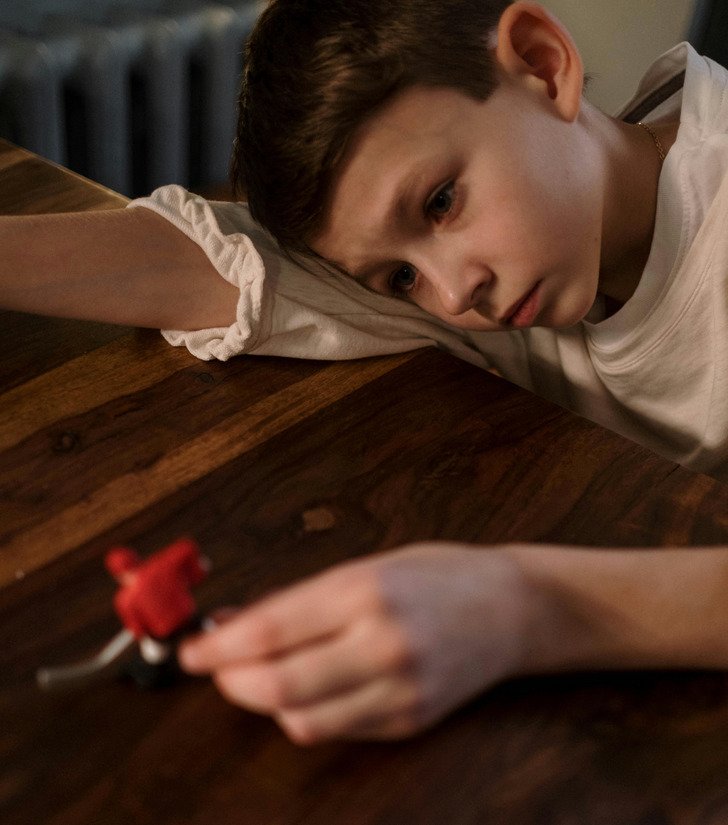
Your 7-year-old witnessed this entire situation—and he’s forming his sense of family loyalty and conflict resolution. Whether or not your MIL is ever welcomed back into your lives, this is a chance to teach your child about boundaries, respect, and protecting family dignity.
Talk to him in age-appropriate terms: explain that sometimes adults say hurtful things, and it’s okay to step away from people—even family—until they can be kind. Let him see that love doesn’t mean accepting disrespect. This experience could become a powerful, formative memory if handled with awareness.
Amanda is one of our readers who recently shared a surprising story with us. She had asked her daughter-in-law to pay her for babysitting her grandson—and what happened next was completely unexpected. Source: Brightside