
The note arrived during Sunday dinner.
My grandson Tommy slipped it into my hand so quietly I almost didn’t notice. He did it while reaching for the salt shaker, his small fingers trembling as they brushed my palm.
He’s only eight. In the past month he’s gone from a bright, chattering little boy to a pale, silent shadow. That alone had my grandmother’s intuition humming. The note turned it into a siren.
I unfolded the paper under the table. The letters were blocky and careful, a child’s handwriting gone slightly crooked from fear.
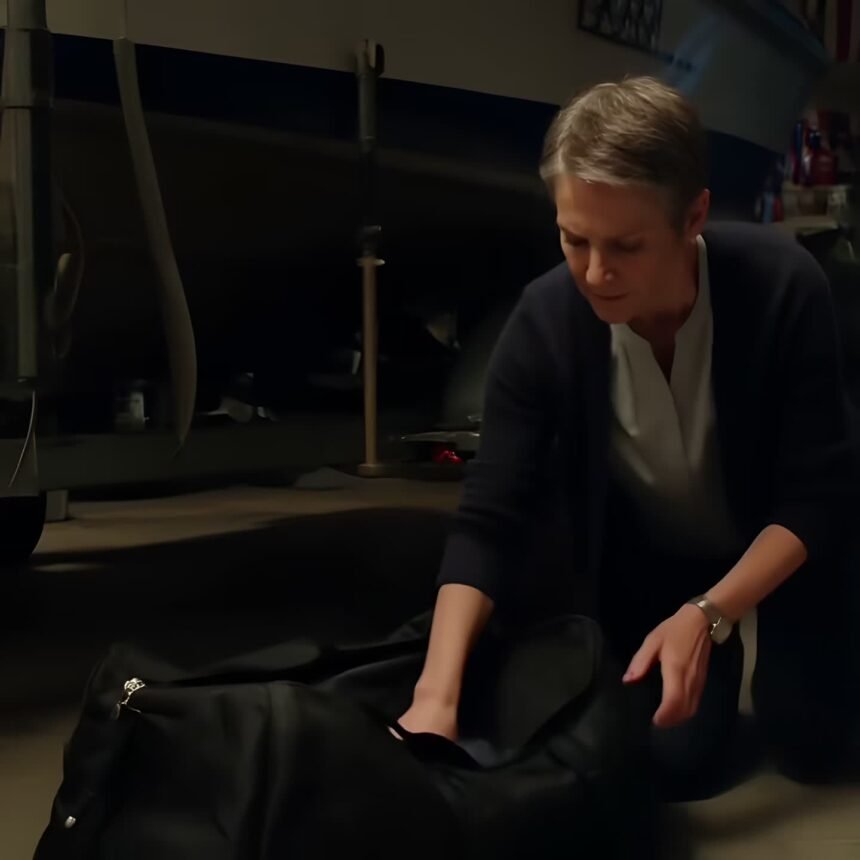
Grandma, take a look under the boat in the garage. Then you’ll understand.
I read it three times. My heart hammered so hard I could feel it in my throat.
When I looked up, Tommy was staring at his plate, pushing mashed potatoes around without eating. The dark circles under his eyes hadn’t been there a month ago.
Across from him sat Victoria, my son Eugene’s new wife of six weeks. Her manicure was perfect, her smile bright and cold as winter stars as she cradled a glass of California chardonnay.
“Tommy, sweetheart, eat your vegetables,” she said in that sweet, syrupy tone. “You know the rules.”
Tommy flinched.
Not the way a child flinches when reminded to eat broccoli. It was a full-body recoil, like he was bracing for a blow that never came. My chest tightened.
Something was very wrong.
I’m sixty‑three years old, born and raised in the Midwest, and I’ve learned the hard way that a grandmother’s intuition in this country is rarely wrong. Ever since Eugene married Victoria in that hasty courthouse ceremony, I’d watched my grandson dim. My son kept insisting it was just an adjustment to a new mother figure.
This wasn’t adjustment. This was fear.
“More wine, Nancy?” Victoria asked, turning those sharp green eyes on me.
She’d called me by my first name from day one, despite my gentle hints that “Mom” or even “Mrs. Phelps” would be fine. It was a small thing, but disrespect always shows itself in the small things first.
“No, thank you,” I said, keeping my voice even. “I’m driving home soon.”
“Are you sure?” she asked lightly. “Eugene says you live alone now, since George passed. Must be lonely in that big farmhouse all by yourself. No one waiting for you.”
The words were wrapped in sugar, but they landed like a slap. My husband had died two years earlier—heart attack in his sleep, the doctors said. Yes, the old farmhouse out in the county could feel empty sometimes, but I’d rebuilt a life: my garden, my book club at the local library, my volunteer shifts at the town branch.
The story doesn’t end here –
it continues on the next page.
TAP → NEXT PAGE → 👇