

Dear reader, thank you for sharing your story. It’s genuinely shocking. Here are some steps you can consider in this difficult situation.
Recovering from the revelation
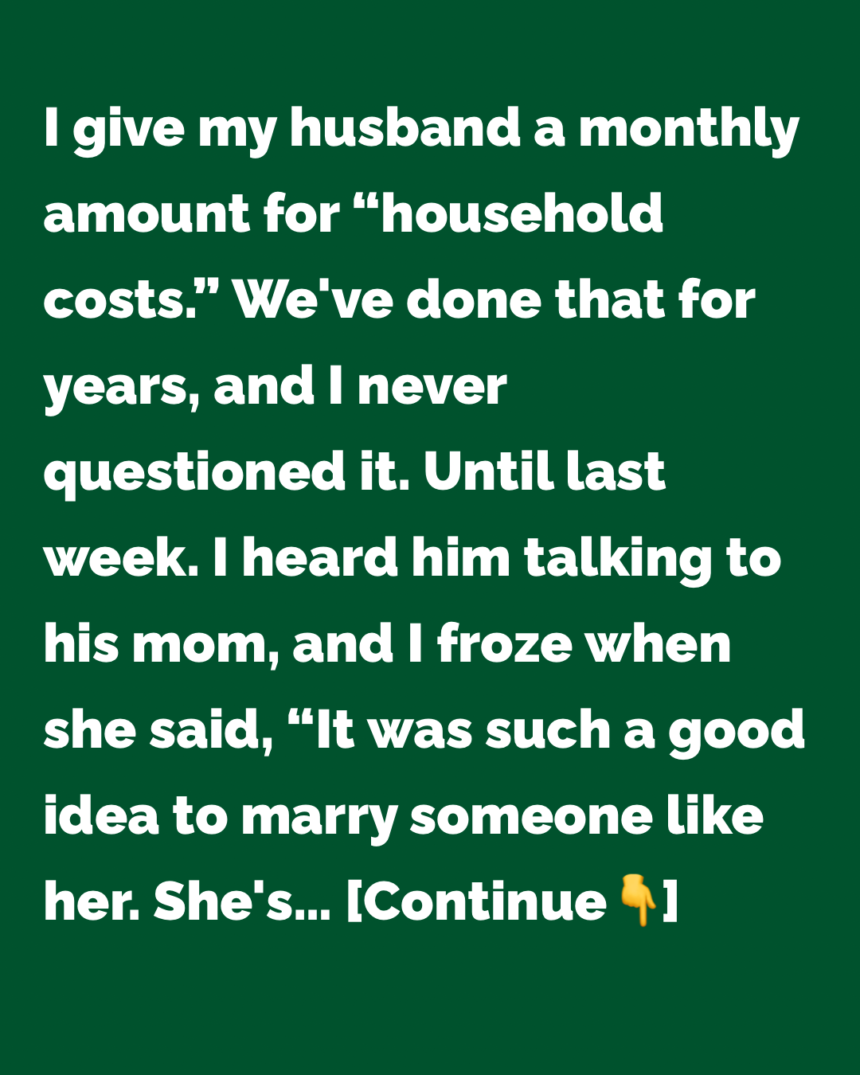
Open communication about significant financial matters is crucial in a marriage, which was missing in your situation. Your husband didn’t just overlook mentioning that the house remains in his mother’s name—he deliberately led you to believe he owned it while accepting your financial support under false pretenses. This constitutes financial dishonesty.
You are entitled to honesty, respect, and involvement in how your shared life is managed. Don’t allow anyone to make you feel guilty for expecting these basic elements. Here are some actions you can take now:
1.
**Have a candid financial discussion:** Request complete transparency regarding the mortgage, the deed, and what your monthly contributions are actually funding. 2. **Consider couples therapy:** A licensed therapist can help explore the underlying issues, particularly around trust and communication.
3. **Protect your financial interests:** It may be wise to consult a financial advisor or lawyer to understand your rights, especially since you’ve been contributing to a property you do not own. 4.
**Establish clear boundaries moving forward:** No more ambiguous “household costs.” Ensure you know precisely where your money is going and why. Failures to be truthful in a marriage often indicate deeper issues that need addressing. Moreover, your body may signal the presence of dangers in your relationship, as discussed in our article on the six key signs that predict a marriage won’t last.