

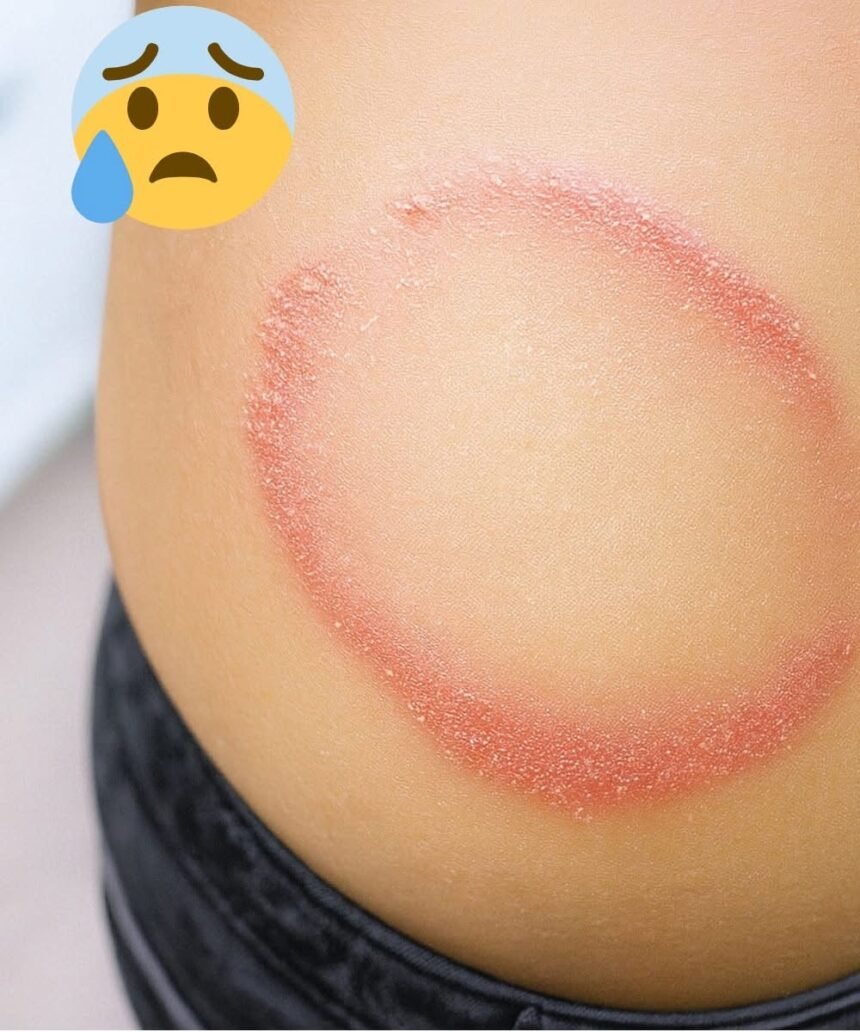
• Contaminated objects (clothing, towels, shoes, combs). • Damp surfaces (swimming pools, gyms, public showers). Excessive sweating, wearing tight clothing, and poor hygiene increase the risk of infection.
4. Medical Treatments for Fungal Infections and Ringworm
Treatment depends on the type and severity of the infection. The most commonly used medications are:
A) Topical Antifungals (Creams and Ointments)
For mild, localized infections, doctors recommend over-the-counter or prescription antifungal creams, such as:
• Clotrimazole (Canesten)
• Miconazole (Daktarin)
• Terbinafine (Lamisil)
• Ketoconazole (Nizoral)
These should be applied twice a day for 2 to 4 weeks.
B) Oral Antifungals
For severe or widespread infections, antifungal pills are prescribed, such as:
• Itraconazole
• Fluconazole
• Terbinafine
These medications require a prescription and should be taken for weeks or months, depending on the infection. C) Specific Treatments
• For onychomycosis, antifungal lacquers (amorolfine) or long-term oral treatments are used. • For tinea capitis, oral griseofulvin or terbinafine is recommended.
5. Natural Remedies for Skin Fungus
Some home remedies can help relieve symptoms and complement medical treatment. A) Apple Cider Vinegar
• Natural antifungal properties.
• Apply with a cotton ball to the affected area twice a day. B) Garlic
• Has antimicrobial properties. • Crush a clove of garlic and mix with coconut oil.
Apply for 30 minutes and rinse. C) Tea Tree Oil
• Powerful natural antifungal. • Apply diluted in coconut oil twice a day.
D) Baking Soda
• Absorbs moisture and prevents fungal growth. • Sprinkle in shoes and apply as a paste to the skin. E) Aloe Vera
• Soothing and antifungal properties.
• Apply fresh aloe gel to the infected area three times a day. These remedies can complement medical treatment, but they do not replace antifungals prescribed by a specialist.