

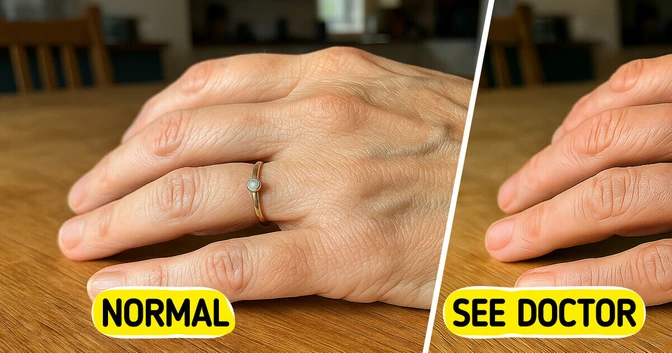
If your parents or close relatives have visible veins, you might be more likely to have them too. Genetics determines many traits, including skin thickness and vein strength, which both affect vein visibility. This means even if you take great care of your skin and health, your family history still plays a role.
It’s one of those things you can’t control but can be prepared for.
7. Blood clots

Blood clots can also cause veins to swell and feel hard or tender.
When a clot blocks a vein, blood flow slows down and pressure builds up, making the vein bulge. This condition can be painful and sometimes dangerous if not treated. If you notice sudden bulging veins with pain or redness, it’s important to see a doctor right away.
Early care helps prevent more serious complications.
8. Other health conditions

Certain health problems can cause veins to bulge and become more visible.
For example, heart conditions that raise blood pressure can weaken vein walls and increase blood pressure. This puts extra strain on veins, making them swell and pop out. Other circulatory issues can have similar effects, so persistent or worsening vein bulging should be checked by a healthcare professional.
Source: Brightside