

Have you ever felt that your home, or office (which is your second home in any case), is somehow conspiring to your ill health? That the building that you spend most of your time in might be behind the reason for your strange symptoms? You might be right.
The correct term is sick building syndrome, and it was first coined by the WHO in 1983 in a report on how people can experience a wide range of symptoms when inside particular buildings. The identifiable cause may remain unknown, so here is a list of the most common causes of SBS and what symptoms you may experience as a result. CONTENT IS PROVIDED FOR INFORMATIONAL PURPOSES ONLY AND IS NOT INTENDED AS A SUBSTITUTE OF MEDICAL ADVICE.
SEEK GUIDANCE OF YOUR DOCTOR REGARDING YOUR HEALTH AND MEDICAL CONDITIONS.
1.
Mold and fungus

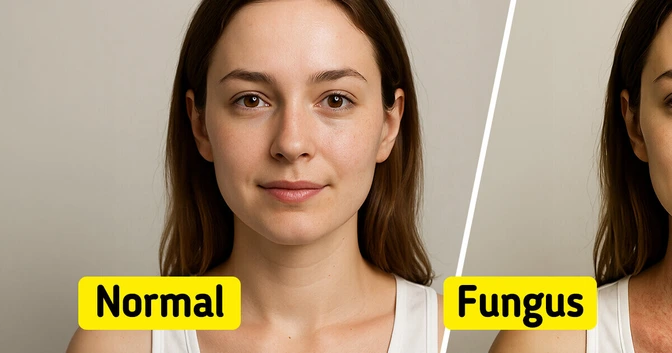
Many people with sick building syndrome report chronic skin rashes, and it may be due to mold or fungus growth in poorly ventilated areas. Other reasons could include the presence of formaldehyde (mostly found in wood furniture and floors), asbestos, chemicals in the air from cleaning products, and, of course, harsher chemicals like pesticides. Keeping the building well-ventilated, using less harmful cleaning supplies, and keeping mold-reducing plants like ivy and aloe vera are good short-term preventative measures.
For a long-term cure, you just have to stay away from the building, so moving homes or changing jobs might have to be a part of your future plan. 
2. Poor ventilation

Since the 1970s, symptoms of the Sick Building Syndrome have been on the rise, as older and more naturally ventilated buildings are getting torn down in favor of airtight buildings in the name of energy efficiency.
Yet another commonly reported symptom of SBS is fatigue, excessive tiredness, body aches, and even nausea. While this could also be because of mold or fungal spores, added causes could be poor ventilation, heat or humidity, and such. Adequate ventilation that lets in fresh air may help.

3. High or low indoor humidity

Excessive humidity or indoor air that’s too dry can also cause all sorts of skin and hair problems like dryness, and even itchy skin. If you wake up to chapped skin or a sore throat, the reason could be low indoor humidity.
The story doesn’t end here –
it continues on the next page.
TAP → NEXT PAGE → 👇